
Polestar Southampton Buying Guide and Deal Finder
This guide explains how to identify current Polestar Southampton inventory, compare offers, and buy a car on sale with less risk. It outlines background on Polestar’s brand positioning and why pricing transparency matters in the UK. You’ll also learn a practical checklist for negotiating, verifying condition, and using reputable dealer marketplaces to find suitable options.
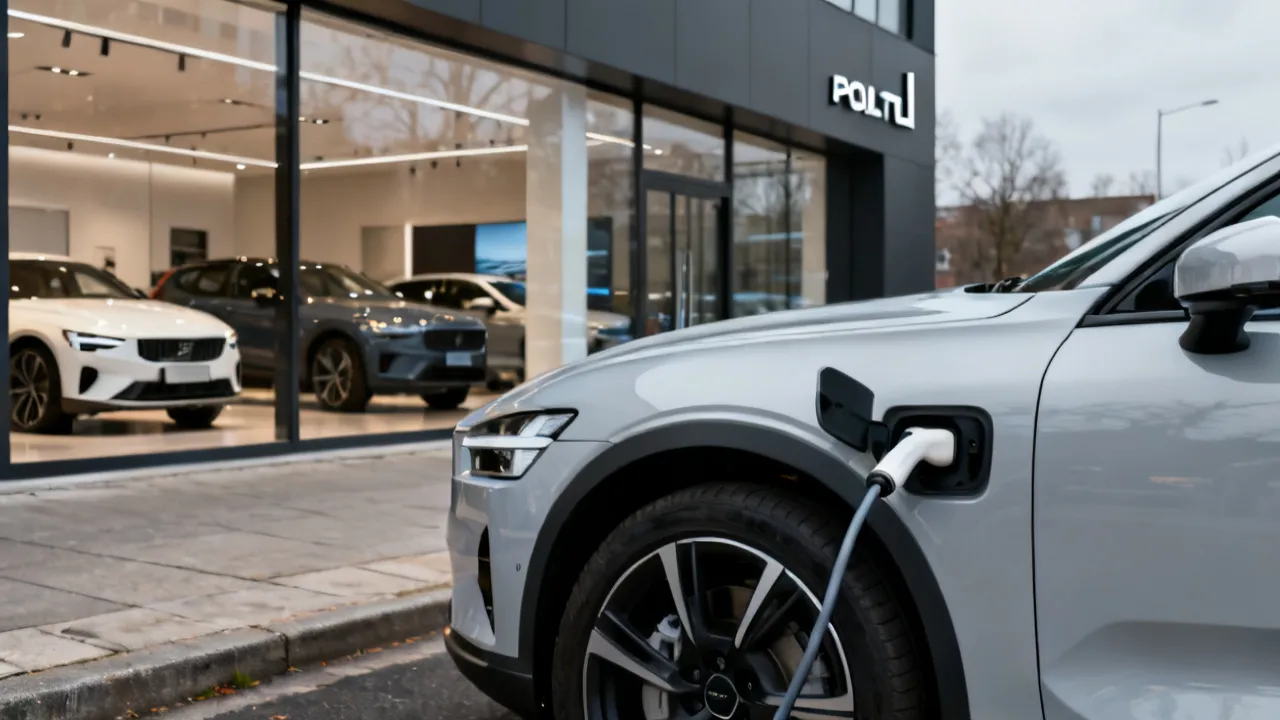
Find Polestar Southampton inventory and buy smarter—without guessing
If you’re looking for Polestar Southampton offers, the key is not just finding a vehicle listed as “on sale,” but verifying the full deal terms, condition details, and delivery expectations before you commit. For many buyers, the fastest path to a confident purchase is to combine reputable dealership listings with a structured verification process—especially when you’re comparing multiple inventory sources.
“On sale” can be a genuine opportunity, but it can also be a marketing label attached to promotions, financing incentives, or inventory-clearing timelines. Without a verification routine, it’s easy to end up focusing on the headline number while missing details that affect your real-world experience: charging access, included accessories, warranty scope, service history, and the true “out-the-door” price.
What “Polestar Southampton” usually means for buyers
When shoppers search for Polestar Southampton, they typically want a nearby seller and an easier ownership route: test drives, paperwork support, and clearer after-sales processes. In practice, buyers in the Southampton area often compare options across official dealer channels and major online marketplaces. Because electric and premium vehicles can involve specific charging and warranty considerations, it’s especially important to confirm the exact trim, battery/charging details, mileage (or condition for used listings), service history, and delivery timeline.
It also matters what you mean by “inventory.” Some shoppers want a brand-new vehicle with the latest options. Others want a used model with a lower purchase price but still strong remaining warranty and service coverage. Your definition changes what you should verify first. A listing can look like a great deal when new inventory is limited—yet still be less compelling when you consider that a slightly higher price could include more value in the form of warranty length, tyres in better condition, or additional charging accessories.
Why “cars on sale” listings require careful reading
Car listings marketed as “on sale” can be influenced by multiple factors—seasonal promotions, inventory clearance, financing offers, or adjustments to trade-in values. An objective approach is to separate:
- The vehicle price (the advertised cost)
- The total deal cost (including fees and the structure of any finance package)
- The ownership value (warranty coverage, service intervals, tyres/condition, and charging readiness)
This distinction helps you avoid overpaying for a deal that looks attractive at first glance but becomes less competitive after the full terms are considered.
To buy smarter, treat every listing as a “draft offer.” Your job is to verify what’s actually included, what’s optional, what’s missing, and what changes between the online ad and the signed contract. In practice, that means reading the listing carefully, asking precise questions, and confirming the out-the-door figure in writing.
Reliable places to check when shopping Polestar Southampton offers
To locate current Polestar Southampton vehicles on sale, buyers commonly consult major car listing platforms. These sites aggregate dealer inventory, provide filters (price range, mileage, fuel type, body style), and sometimes include tools that help compare offers. The sections below introduce reputable official-style trading websites and marketplaces that are commonly used during car-shopping research.
| Platform | What to use it for | How it helps your Polestar Southampton search |
|---|---|---|
| cars.com | Browsing inventory across many dealers | Compare listings by price, specifications, and availability to narrow options quickly |
| carmax.com | Used-car inventory search | Shortlist vehicles based on condition indicators and streamline next steps |
| caronsale.com | Marketplace-style discovery | Spot potential discounts and cross-check details before contacting sellers |
| autotrader.com | Dealer listings and comparison search | Use filters to find matching specifications and evaluate competing offers |
source: www.cars.com, www.carmax.com/cars, www.caronsale.com/en, www.autotrader.com (information source referenced from the provided reference websites)
How to find and buy a cheap car/car on sale near Polestar Southampton
As an industry approach, the “low price” option is rarely the one with the lowest headline number. It’s the one with the lowest risk-adjusted total cost given your actual usage and your tolerance for risk around condition and delivery. Below is a step-by-step process you can apply to your Polestar Southampton search.
Buying “cheap” without guessing means you should focus on eliminating uncertainty. Uncertainty is what creates expensive surprises: tyres near end-of-life, missing service records, limited warranty remaining, or delivery costs that are not made clear until later. Your goal is to convert marketing claims into verifiable facts before you commit.
Step-by-step guide (practical checklist)
-
Define your non-negotiables first
Example: whether you require a specific trim level, seating capacity, range expectations, and preferred charging capability. Electric vehicle buyers often forget to check charging compatibility and cable/include details—confirm early.Non-negotiables also include practical constraints: do you need a specific wheel size for winter tyres? Do you require driver-assist features you’ve used before (and in the trim you want)? Are you planning to commute long distances or mainly do short city trips? If you’re prioritising “low risk,” you’ll want to match vehicle configuration to your actual driving patterns, not just the listing’s price.
-
Use broad filters, then tighten
Start with wide filters (budget band, model family, year range, and drivetrain/EV type if applicable). Then narrow by the very cost-relevant items (trim, mileage/condition, any listed defects, and dealer location).When tightening, think like a cost accountant: tyres, brakes, and battery health affect total ownership cost more than many buyers realise. A slightly higher purchase price can be cheaper overall if it avoids near-term replacement or if it includes warranty you’d otherwise have to pay for.
-
Compare “like-for-like” listings
Two cars that look similar in price can differ significantly in included warranty, service history, tyre condition, and documentation.“Like-for-like” also means comparing access to features you care about. For EVs and premium trims, check whether the listing includes key software features or hardware that impacts your daily experience: charging capability, heat pump (if applicable to the specific model year/region), integrated navigation readiness, and driver assistance functionality. If two trims sound similar but one lacks a package, the price difference may reflect real value.
-
Verify the listing’s completeness
Ask for: full specification sheet, service history (if used), any outstanding recalls (where applicable), and a clear explanation of fees (delivery, admin, documentation, and any reconditioning).Completeness means the sale will be “clean.” Buyers lose money when they sign based on an incomplete understanding—such as not knowing whether a required service is overdue or whether cosmetic issues have been repaired properly. Request itemised documentation: what exactly has been inspected, repaired, reconditioned, or replaced.
-
Request a written out-the-door figure
This is where buyers often save money: the quoted monthly finance payment can obscure additional charges. Ensure you can compare totals.Out-the-door means you want a single number that includes everything you must pay to drive away. That typically includes vehicle price, delivery, admin/documentation, taxes (where applicable), and any dealer-added extras you’ll be charged for. It also means clarifying whether optional upgrades—protection packs, warranties, accessories—are included or add-on costs. If the seller won’t provide it in writing, treat that as a risk signal.
-
Inspect and test properly
For EVs, confirm driving modes, regenerative braking behaviour, charging readiness, and dashboard/infotainment functionality. A short test drive isn’t enough—ask for a demonstration of typical features.During inspection, don’t only focus on “does it drive.” Pay attention to how it drives relative to your expectations: smoothness, suspension feel, noise at various speeds, and how the vehicle responds when you switch driving modes. If the listing claims “great condition,” verify what that means: tread depth, any signs of previous repairs, and whether panels align properly. Take photos during your inspection if it’s allowed.
-
Check paperwork and handover timeline
Confirm who supplies charging equipment (if relevant), the handover date, proof-of-ownership steps, and whether any transport is included.Timeline matters because it affects your plans for insurance, charging setup at home/work, and any vehicle replacement schedule. If delivery is delayed, ask whether there are any loaner options, compensation policies, or alternative pickup arrangements. For EV buyers, confirm that the charging setup is usable immediately—especially if your charging cable or adapter was not included.
-
Negotiate from evidence, not emotion
If you find a slightly better deal elsewhere, show the specific differences (trim, mileage, warranty length, included options). Industry-wise, targeted negotiation tends to work better than broad bargaining.Evidence can be simple: a screenshot of an equivalent listing, a written warranty term, or a confirmed difference in tyre condition. A negotiation approach that uses facts is more likely to produce a quick response. If you’re requesting a discount, explain what value is missing or why your offer is justified based on verifiable differences.
-
Keep an evidence file
Save screenshots, emails, and deal documents. It simplifies follow-ups and reduces misunderstandings during approval and handover.An evidence file can include: the listing URL, the spec sheet attached by the seller, any written confirmations, and the final contract paperwork. If there’s a dispute, documentation helps you clarify what was agreed. Even if everything goes smoothly, your evidence file helps ensure the handover matches the deal terms you accepted.
Conditions and requirements (to keep your deal low-risk)
- Budget discipline: Decide your maximum “out-the-door” budget before contacting sellers.
- Documentation check: Confirm the exact vehicle identification details and review the sale documentation carefully.
- Battery/charging clarity (EV-specific): Request any available information about charging performance, included charging accessories, and warranty coverage terms.
- Return or aftercare terms: If you’re using a marketplace channel, check the dealer’s customer service policy and any post-sale obligations.
Low-risk buying is not just about price; it’s about removing “unknowns.” When you verify items early—especially in EV deals—you reduce the likelihood of paying for something you thought was included. You also ensure the car fits your daily life from day one.
Expert perspective: how pricing works for Polestar Southampton shoppers
From an industry standpoint, pricing in premium and EV segments often reflects more than brand value. Listings can shift due to acquisition costs, trade-in variability, reconditioning expenses, and promotional financing structures. Therefore, when you search for Polestar Southampton inventory on sale, your top method is to benchmark against other listings with similar specifications.
Also, consider the timing of your purchase. Dealers typically have internal targets and may adjust pricing for inventory movement, but the direction of change is not guaranteed. That’s why it’s more reliable to treat “on sale” as a starting point rather than a final verdict.
Additionally, pricing can vary depending on what the seller needs to move fastest. Some vehicles may be priced aggressively because they’re older in stock, missing a minor accessory, or have cosmetic imperfections. Others can be priced higher because they include more value—warranty coverage, fresh tyres, or a more complete set of service documents. A “cheap” listing that lacks value can become more expensive quickly.
What to ask during a Polestar Southampton inquiry
When contacting a seller, use questions that lead to verifiable answers. Here are examples that are practical for buyers assessing an advertised deal:
- What is the complete specification (trim/options) and are any features missing compared with similar listings?
- Is the vehicle available for test drive, and what is the earliest handover date?
- What exactly is included in the sale price (admin fees, delivery, documentation, any accessories)?
- For used vehicles: what is the service history and condition assessment summary?
- For EVs: what charging accessories are included, and are there any known charging limitations or software constraints?
To go one step further, ask follow-up questions that clarify the “why” behind the listing. For example, if the car is priced low relative to similar models, ask whether it’s due to reconditioning needs, warranty constraints, or cosmetic work. That single question can prevent you from wasting time on a listing that isn’t competitive once you compare the full deal.
Common mistakes to avoid when buying a car on sale
- Focusing only on monthly payments: Finance offers can hide costs. Always compare total cost terms.
- Ignoring documentation: A low price can come with missing records or unclear handover details.
- Skipping inspection: Small issues (tyres, panels, diagnostics) can become expensive if ignored.
- Overlooking comparable alternatives: If you’ve found one “deal,” cross-check at least a few similar listings to confirm competitiveness.
Another frequent mistake is not preparing for negotiation in a structured way. If you negotiate without a baseline comparison, you may accept terms that are not actually the best available. A better approach is to build a short list of two or three similar vehicles, verify their key terms, and then negotiate based on differences. That is how you turn “search” into strategy.
Additional Polestar Southampton buying considerations (EV-focused)
Because Polestar vehicles are electric, a portion of the deal value can be tied to charging convenience and confidence. Even if two cars share the same trim and year, they might not be equally ready for the way you charge at home or work.
Before you commit, consider these areas and confirm them explicitly:
- Charging accessory completeness: Ask what cables are included, what adapters (if any) come with the car, and whether the vehicle was delivered with the “expected” accessory set for the region.
- Charging compatibility: Confirm the charging approach that matches your routine: home wall charging, destination charging, or motorway fast-charging. You want confidence that you can charge without needing to buy additional equipment immediately.
- Software and connectivity readiness: While you can’t guarantee every update detail, you can ask about connectivity setup, user profiles, and any known infotainment issues reported prior to sale.
- Battery-related expectations: Even if battery health claims exist in some listings, treat them as informational rather than guaranteed unless supported by verifiable service documentation and the warranty terms.
- Warranty and coverage: Confirm the remaining warranty duration and what it covers. For used EVs, warranty scope can drastically change total ownership cost.
If charging confidence is central to your decision, don’t rely only on the listing photos and text. Request a short demonstration during the test drive or inspection—especially if charging setup readiness is one of your “non-negotiables.”
How to compare multiple offers without getting overwhelmed
Many buyers get stuck because they find several attractive listings and don’t know how to rank them. The solution is to compare offers using a consistent framework, not by intuition. Below is a simple comparison structure you can reuse for each Polestar Southampton offer you’re considering.
| Comparison Area | What to Record | Why It Matters |
|---|---|---|
| Vehicle identity | Trim/options, year, mileage/condition, VIN/identifiers (where available) | Prevents “similar but not the same” mismatches |
| Included value | Accessories, charging equipment, service history docs, tyres condition notes | A low price can hide missing components |
| Warranty coverage | Remaining term, coverage types, transferability details (if applicable) | Changes risk-adjusted ownership cost |
| Out-the-door price | Itemised fees + final drive-away figure | Enables apples-to-apples ranking |
| Delivery timing | Handover date, delivery inclusion, transport process | Impacts your plans and may add costs |
| After-sales terms | Return policy, service support, how issues are handled | Protects you after purchase |
When you compare offers using these categories, you’ll quickly see which deals are genuinely better and which are only better in headline terms. Over time, this method makes you faster—because you stop re-reading everything and instead focus on the few details that truly differentiate offers.
Vehicle inspection and test drive: what to focus on
Even if a car is advertised as “on sale,” you should treat the inspection as essential. For Polestar buyers, your inspection should include both traditional checks (condition, noise, tyres) and EV-specific checks (charging readiness, software behaviour, driving mode response).
Here’s a practical checklist you can adapt:
- Exterior and body condition: Look for mismatched panel paint, signs of previous repairs, or cosmetic damage that could be costly later.
- Tyre condition: Verify tread wear and whether the tyres are balanced and in acceptable condition. Tyres are a direct, short-term cost.
- Under-vehicle inspection: If permitted, look for signs of damage, leaks, or worn components. In used EVs, this can reveal hidden issues.
- Interior checks: Verify seat wear, trim condition, and whether electronics behave normally (screens, connectivity, climate controls).
- Driving behaviour: Observe steering smoothness, brake feel, suspension noise, and how regenerative braking feels in different scenarios.
- Driving mode demonstration: Ask the seller to demonstrate how modes feel and how the car responds to acceleration and deceleration.
- Infotainment and navigation: Confirm basic functions work and are configured appropriately for a new owner.
If the seller can’t support a meaningful test drive or can’t answer questions about core EV behaviour, that’s often not about inconvenience—it can be a sign that important details are unclear. Clarity is part of the value of a good deal.
Understanding deal structure: avoid payment-only comparisons
Monthly payments can be appealing because they make expensive vehicles feel more manageable. But monthly payments depend on interest rate, deposit amount, and term length. A “lower monthly payment” could come from a longer term or different balloon structure. That’s why you should avoid negotiating based purely on the payment figure.
Instead, ask for the full written breakdown and understand what you’re paying for. If the seller offers different finance structures, compare:
- Total amount payable (not just monthly)
- Length of agreement and any balloon payment
- Deposit and trade-in valuation assumptions
- Fees and add-ons included in the payment calculation
If you compare offers using these terms, you can often discover that the “cheap deal” is actually more expensive when structured correctly. This is one of the most common hidden-cost issues when shopping for Polestar Southampton inventory on sale.
Negotiation strategy for Polestar Southampton buyers
Negotiating can work best when you treat it like a structured comparison rather than a confrontation. If you’ve already created a shortlist and verified out-the-door prices, your negotiation becomes straightforward: you’re asking for alignment between price and verifiable differences.
Here’s a negotiation framework you can use:
- Choose your “anchor”: Identify the offer that appears strongest after verification—based on total deal cost and included value.
- Identify differences: List the exact differences between your anchor and the other offer(s): trim options, warranty remaining, tyre condition, delivery cost, accessories included.
- Ask for adjustment: Request an adjustment that reflects the missing value. For example, if one car lacks tyres in similar condition, ask for a reduction or tyre replacement commitment.
- Get it in writing: Confirm any price change or inclusion in the final quote before you proceed.
When you negotiate this way, you reduce emotional friction and focus on what’s measurable. Sellers may be more willing to adjust if they can see your comparison is reasonable and you’re not guessing.
How to build a “risk-adjusted value” mindset
Some buyers think buying cheaper always wins. But in reality, the lowest-risk deal can be cheaper overall—even if the purchase price is slightly higher. “Risk-adjusted total cost” means you factor in the likelihood of near-term expenses or uncertainties.
For example, suppose two Polestar vehicles match your preferred trim. Vehicle A is cheaper but has ambiguous service history, unknown tyre condition, and unclear charging accessory inclusion. Vehicle B is slightly more expensive but has complete documentation, confirmed accessories, and tyres with more tread life. Even if Vehicle A’s purchase price looks better, Vehicle B can be the better deal once you account for the risk of replacing tyres or dealing with documentation/charging setup issues.
This is why “on sale” should never be the sole factor. You’re buying an outcome: reliable ownership and a manageable first few months, not just a headline discount.
EV ownership reality: set yourself up before purchase
To keep your Polestar Southampton purchase low-risk, do a little preparation before you pick up the vehicle. This helps you avoid last-minute surprises, especially with charging.
Consider these readiness steps:
- Charging plan: Confirm where you’ll charge most often (home, workplace, public fast chargers). Identify whether you’ll need additional equipment.
- Insurance and ownership timing: Plan the date you can insure the vehicle and when delivery/handover will occur.
- Home/charging checks: If you’re doing home charging, ensure your setup is compatible and ready for EV charging.
- Documentation readiness: Arrange proof of address, payment method, and any required paperwork to speed up purchase completion.
When your purchase and ownership setup are aligned, you avoid paying for delays or emergency solutions. That’s one of the strongest ways to maximize value in a premium EV purchase.
FAQs
Is Polestar Southampton inventory always available online?
Availability varies by dealer stock and timing. Many listings appear online through dealership networks and major marketplaces, but vehicles can be reserved or sold quickly. Use saved searches and contact sellers promptly when you see a match.
Also, inventory online can lag behind real-time dealer changes. If you find a strong candidate, ask about current status immediately and request confirmation that the car is still available at the time you plan to visit.
What’s the top way to confirm a car truly is “on sale”?
Ask for the written pricing breakdown and compare against like-for-like alternatives (similar trim, mileage/condition, included options, and warranty terms). “On sale” should be evaluated by total deal cost, not only the headline figure.
If possible, request a comparison quote that includes the same value items. When you can compare the full out-the-door number across two cars that are truly comparable, you’ll know whether “on sale” is a genuine advantage.
How can I find a cheap car without increasing risk?
Use filters to narrow options, then verify condition and documentation, request an out-the-door cost, and inspect the vehicle thoroughly (including EV charging readiness if applicable). Low price plus incomplete details often creates hidden risk.
A practical rule: if a listing has an unusually low price, it should have unusually clear documentation. If clarity is missing, your “cheap” deal may be subsidized by future costs.
Should I buy from a marketplace or directly from a dealer?
Both approaches can work. Marketplace channels help you compare inventory quickly. Direct dealer purchases can offer clearer continuity for test drives and aftercare. The very important factor is the quality of the verification process and the clarity of the sale terms.
When using a marketplace, verify who holds responsibility for the car before purchase—who performs inspections, who provides delivery, and who handles any post-sale issues. When buying directly, confirm that the dealership will stand behind the written terms in the same way you’d expect from any structured dealer purchase.
What documents should I request before committing?
Request the full vehicle specification, service history (for used vehicles), any warranty details, and a complete breakdown of fees and delivery timeline. Confirm handover responsibilities and ensure the paperwork matches the vehicle you test and intend to purchase.
If the seller mentions warranties or coverage, ask for details about duration, coverage scope, and transferability (if relevant). If the listing is used, ask how the vehicle was inspected and what checks were performed before listing.
Can negotiating reduce the final cost for a Polestar Southampton buyer?
Yes—especially when you negotiate using concrete differences in specification, condition, and documentation. Dealers are more responsive when you reference verifiable comparisons rather than general claims about price.
You can negotiate not only the price but also what’s included: accessories, delivery fee adjustments, minor reconditioning, or explicit tyre/brake replacement commitments. Those inclusions can improve value without requiring aggressive price cuts.
Does buying “on sale” guarantee lower good ownership costs?
No. Purchase price is only one part of total ownership cost. Warranty coverage, tyre condition, energy/charging setup, and maintenance history influence good value more than short-term discounts.
For EVs, charging convenience can be a major part of ownership cost. If charging accessories or compatibility is unclear, you might end up spending more money and time after purchase. That is why verifying EV-specific details is a key component of “buying smarter.”
Final checklist before you sign
- Confirm the exact trim/options and any missing features
- Validate the out-the-door price in writing
- Verify vehicle history/condition documentation (especially for used listings)
- Test drive and, for EVs, confirm charging readiness and relevant software/feature behaviour
- Review warranty and aftercare terms
- Confirm delivery/collection timing and who is responsible for any transport steps
- Confirm included charging accessories, adapters, and documentation about included equipment
Disclaimer
1) The above information comes from online resources, and the data is as of October 2023.
2) For more information, please refer to the official website.







