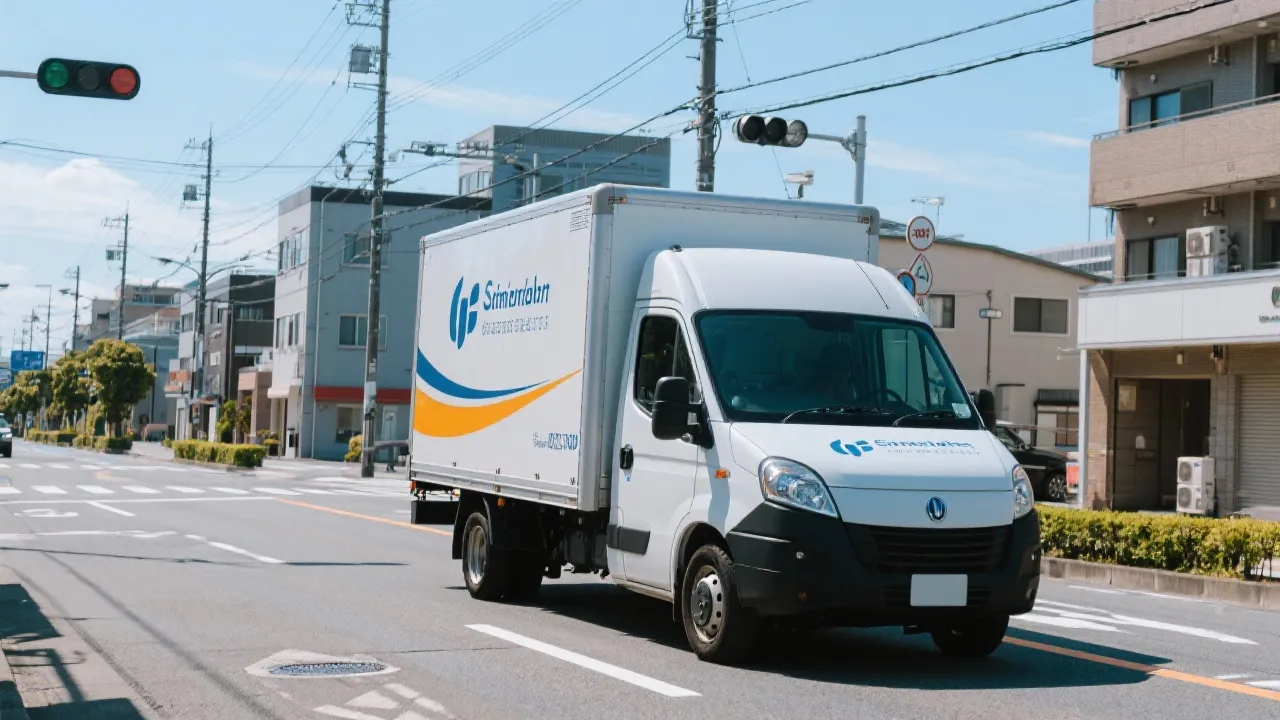
Pasa South Africa: Supply Insights, Sourcing, and Planning
Pasa South Africa guide explains how businesses approach sourcing, distribution, and planning across nearby markets. It sets neutral context for “Pasa South Africa” as an operations and supply theme, outlining how local buyers typically evaluate reliability, lead times, compliance, and documentation. The article then presents an expert-style framework and requirements table for informed decision-making.
Executive Overview: What “Pasa South Africa” Usually Means in Practice
When people search for Pasa South Africa, they are typically trying to understand how a sourcing-and-supply approach works in nearby markets—especially the practical steps behind procurement, distribution, supplier evaluation, and documentation. In other words, the phrase often functions as a shorthand for “how supply chains are organized and supported in the region,” rather than a single, universal product or price list. The goal of this guide is to help you make clearer, more operational decisions by framing the process in an evidence-conscious way, grounded in how procurement and logistics professionals assess risk, consistency, and service levels.
Because supply arrangements differ by sector (food service, manufacturing inputs, logistics services, retail stocking, and related categories), the very useful way to think about Pasa South Africa is as an operations lens: what suppliers do, what buyers verify, what documentation matters, and how lead times and costs tend to be structured when procuring for nearby demand.
In practical terms, many organizations use phrases like this as a prompt to ask the same underlying questions: Who can consistently supply? What are the lead times? What documentation is required? Who owns risk during transit? How are claims handled? And—most importantly—what does “good performance” look like once orders begin moving at real volume?
That is why this article emphasizes operational decision-making rather than trying to “guess” a single definition. The most responsible approach is to treat Pasa South Africa as a starting point for clarifying requirements, qualifying suppliers, and confirming commercial terms, then building a repeatable procurement method that your team can audit.
Why This Topic Matters for Buyers in Nearby Markets
For organizations operating in or targeting nearby South African demand, procurement decisions are rarely just about unit cost. Professionals typically weigh at least five elements, and often more once they map the process end-to-end:
- Availability and continuity: Can the supplier maintain supply through seasonal or demand spikes?
- Logistics reliability: Are delivery windows realistic and consistently met?
- Compliance and traceability: Are products/services documented appropriately?
- Total landed cost: Price must be understood together with freight, handling, packaging, and administrative time.
- Operational fit: Can the supplier support your ordering cadence, packaging requirements, and documentation standards?
These are the same fundamentals used by procurement and supply-chain teams worldwide, and they are especially visible in environments where businesses must plan around local infrastructure constraints, variable demand, and the need for dependable supplier performance.
Another reason this topic matters is that supply chain mistakes in nearby markets can be expensive in ways that are not obvious at the start. A supplier may quote a low price but deliver with inconsistent lead times; receiving staff may have limited storage capacity; invoices may lack clarity; documentation may be missing; and claims may take weeks to resolve. The result is often not only financial loss but operational distraction—teams spending time chasing deliveries and paperwork instead of focusing on core tasks.
In many real-world cases, buyers therefore use a sourcing “theme” like Pasa South Africa as a shorthand for building operational confidence: not just a contract, but a workflow that works repeatedly.
Understanding “Pasa” in a Supply/Operations Context (Neutral Background)
The term “Pasa” is commonly used in industry contexts as a label for a business initiative, organization, operational grouping, or sometimes a brand or project name. However, without a specific product code, service description, or official entity name, it is not responsible to assume a single meaning. In procurement research, the correct approach is to verify what “Pasa” refers to for your intended category—whether it is a supplier network, procurement program, distribution channel, or a service arrangement.
So, when you pair the phrase with South Africa—or, as requested, treat any location placeholder as nearby—the very objective interpretation is: you want to understand sourcing and supply planning as applied to the regional market environment.
In practice, this means you should focus on outputs and mechanics rather than relying on the name. For example, instead of asking “What is Pasa?” you might ask: “Who are the suppliers? What are the typical order lead times? What delivery capability exists? What documentation is required for receiving? How are stockouts handled?” These questions will lead to actionable answers regardless of what the label itself stands for.
If multiple organizations use “Pasa” in different ways, your best protection is to confirm scope directly with the relevant party: the organization behind the initiative, the category of goods/services covered, and whether the arrangement involves procurement, distribution, logistics, or an umbrella program.
Expert Procurement Perspective: How Suppliers and Buyers Typically Structure Deals
Even when prices are discussed publicly, professionals know that the “real deal” is determined by conditions—specifically how costs are formed and what responsibilities sit with each party. In nearby South African operations, common deal-structure themes include:
Procurement teams often map every commercial term to a risk or performance outcome. For example, delivery dates influence inventory planning; payment terms influence cash flow; packaging requirements influence handling and damage rates; and documentation requirements influence compliance and auditability. By linking the contract language to the operational workflow, procurement can avoid the common mistake of focusing on only one or two terms (like unit price) and ignoring downstream impacts.
Below are common themes you may see reflected in sourcing arrangements, even when the arrangement is described differently under a label such as Pasa South Africa.
1) Price is rarely a single number
Teams usually evaluate “price” as a bundle of assumptions: currency, payment terms, packaging, order minimums, delivery scope, and whether costs include warehousing, handling, or administrative processing. If you only compare the sticker price, you risk underestimating total landed cost.
To make this concrete, consider the difference between:
- A supplier quoting “unit price only,” where the buyer must pay for freight, packaging upgrades, palletizing, and receiving labor; and
- A supplier quoting a “delivered” price, where freight and standard handling are included, but perhaps the buyer has to accept fixed delivery windows and predetermined packaging formats.
In the first scenario, the buyer’s internal costs rise because the organization absorbs logistics complexity. In the second scenario, the supplier’s delivery capability becomes a performance dependency. Neither option is universally better; the decision depends on whether your organization has strong logistics execution capacity and whether the supplier’s operational performance is reliable.
2) Lead times and service levels matter as much as cost
Experienced buyers plan reorder points using expected lead times. If the supplier’s lead time is unstable, you can end up with stockouts (lost sales and emergency purchasing) or overstock (carrying cost and spoilage risk in perishables).
Lead time instability often comes from factors that are not obvious in a quotation: production schedules, supplier procurement from upstream vendors, port/route disruptions, weather effects, vehicle availability, and customs or compliance delays (where relevant). In nearby operations, these effects can be pronounced because travel distances and logistics networks may have fewer redundant options.
That is why procurement teams increasingly ask not only “How long is delivery?” but also:
- What percent of deliveries arrive within the promised window?
- What is the average lead time and the variability (e.g., standard deviation or range)?
- What happens when supply is late—do they notify you early, and can you adjust demand planning?
When these are answered clearly, a buyer can plan inventory with more confidence and reduce disruption costs.
3) Documentation and compliance reduce operational risk
In regulated or quality-sensitive categories, documentation can be essential: origin and batch information, quality records, and delivery notes. Even in less regulated categories, documentation supports accountability and dispute resolution.
Documentation impacts operations in at least four ways:
- Receiving efficiency: Staff can verify what was ordered and what arrived without excessive manual checks.
- Traceability: In case of a defect or complaint, teams can locate the relevant batch and root cause quickly.
- Audit readiness: Internal and external audits require evidence that purchasing and handling standards were followed.
- Claims processing: Missing documents slow down claims and can weaken negotiation outcomes.
For buyers dealing with perishable goods, pharmaceuticals, chemicals, food ingredients, or anything with strict quality standards, the role of documentation becomes even more critical. But even for general supply items, buyers benefit from receiving complete paperwork to avoid cost leakage through returns, rework, and delays.
4) Supplier evaluation is evidence-based
Procurement teams typically use a mix of supplier history, references, performance scorecards, and capability assessments. A supplier that appears competitive on paper can still fail under real operational constraints.
Supplier evaluation often focuses on evidence rather than claims. For instance, instead of accepting “We deliver on time” at face value, buyers ask for historical delivery performance data or propose a trial period with measurable service targets. Similarly, instead of accepting “We have quality systems,” teams verify certification records, QC procedures, and how nonconforming product is handled.
In many organizations, supplier evaluation becomes an ongoing cycle: initial screening, controlled pilot order, then scaling with monitoring and corrective actions. This approach reduces the probability of large-scale failure.
Making Sense of “Price Information” Without Assuming Unverified Figures
You may encounter references to “price information” when researching Pasa South Africa. The responsible approach is to treat any displayed price as conditional unless confirmed for your exact product/service, packaging configuration, delivery location, quantities, and validity period. In practice, procurement contracts often include price adjustments based on exchange rates, fuel costs, or commodity inputs—so the “price” you see online may not match what your organization will be quoted under your circumstances.
Therefore, rather than presenting potentially inaccurate rates, this guide focuses on how professionals should interpret pricing mechanics and negotiate clarity—especially for nearby distribution realities.
When buyers encounter a price list or a marketing “price table,” the next question should always be: “What does this price actually include?” Procurement teams often request a structured quotation that explicitly breaks down components. For example:
- Base unit price
- Packaging specification (and whether it matches receiving requirements)
- Labelling and documentation costs
- Freight and handling
- Delivery appointment costs (if any)
- Incoterms or delivery responsibility assumptions
- Tax and import/export considerations (where applicable)
By structuring the quote request, the buyer reduces ambiguity and makes offers comparable. This also protects the buyer if the supplier later attempts to reframe what was included. Clear “what’s included” language strengthens procurement governance and reduces negotiation friction.
It is also useful to confirm pricing validity and adjustment mechanics. Buyers often ask whether prices are fixed for a period, whether they change with exchange rates, or whether fuel or commodity surcharges apply. Even if adjustment clauses are normal, buyers should know in advance to avoid unexpected cost escalations.
Supplier Details: What to Verify Before Committing
If your objective is sourcing under the operational theme implied by Pasa South Africa, the supplier due diligence checklist below reflects what many supply-chain managers consider “minimum viable verification.” Adapt the list to your category, but don’t skip the logic.
Due diligence does not necessarily mean taking months to investigate every supplier. Instead, it means performing the right checks at the right time. A buyer might do lighter checks for low-risk, low-value items and deeper checks for categories that materially affect operations or compliance.
Below is a practical checklist that fits many operational scenarios:
- Business legitimacy and accountability: Confirm the supplier’s legal entity details and operational address.
- Capability fit: Can they meet your order cadence and packaging/format needs?
- Quality assurance: Are there documented QC processes and traceability practices?
- Logistics arrangements: Who arranges freight and warehousing, and who bears risk during transit?
- Return and claims process: Define how defects, shortages, and damaged goods are handled.
- Contract clarity: Ensure service levels, delivery windows, and penalties/credits (if applicable) are explicit.
To make the checklist actionable, procurement teams often require evidence or artifacts, such as:
- Company registration details or tax documentation
- Sample invoices and delivery notes (to check format and completeness)
- Certificates of analysis or batch traceability records (where relevant)
- Photos/spec sheets showing packaging and labelling compliance
- Written SOP summaries for QC and nonconformance handling (even if brief)
Additionally, buyers should check whether the supplier can support your receiving workflow. For example, if your receiving site requires pallets of a certain size, barcodes on specific labels, or delivery appointment windows, the supplier must be able to consistently meet those constraints. Otherwise, you risk delays even if the goods arrive on time.
Supplier onboarding also benefits from a “single point of contact” approach. Buyers often request a named operational contact for delivery scheduling and claims handling. This reduces the communication gap during exceptions—when late deliveries or damaged goods occur.
Operational Planning: From Inquiry to First Order
To move from curiosity to execution, you can structure your approach like a project: clarify requirements, qualify suppliers, validate terms, then run a controlled first transaction. This reduces the probability of surprises later—especially in nearby markets where delivery performance can vary.
For teams exploring Pasa South Africa as a sourcing concept, the very effective starting point is usually a short discovery phase:
- Define the product/service category and specifications.
- List expected volumes and ordering frequency.
- Specify delivery constraints (dates, receiving hours, location).
- Decide what documentation you require for internal audit and compliance.
- Agree on evaluation criteria (not just unit cost).
Many purchasing organizations also separate the process into three practical phases:
- Phase 1: Commercial clarity (scope, pricing components, delivery responsibility, payment and claims terms)
- Phase 2: Operational readiness (packaging, labels, documentation, receiving workflow fit)
- Phase 3: Performance validation (pilot order, scorecard, corrective actions, scale-up)
This phased approach matters because it aligns expectations. For example, a supplier might be commercially competitive but operationally unprepared for your documentation and packaging requirements. If you only discover this after large orders have begun, the cost to correct problems increases significantly.
During the inquiry stage, you can also reduce risk by asking the supplier about constraints and contingencies. Questions that often produce useful answers include:
- What is the earliest realistic delivery date under typical conditions?
- What happens if production is delayed—do they offer alternative lots or partial deliveries?
- What is the standard lead time and the worst-case lead time?
- Do they have backup routes or fallback logistics options?
- How do they communicate exceptions?
When these questions are answered, the buyer becomes better able to plan inventory and prevent service failures.
Comparison Table (Requirements, Conditions, and Steps)
The table below is intentionally practical. It compares typical approaches used by buyers when engaging with a Pasa South Africa-style sourcing and supply theme in nearby markets. It is designed as a supplement and should not be treated as a universal contract template—always align requirements with your actual category and regulatory obligations.
To improve readability, the table focuses on step-by-step actions and typical outputs. However, in real procurement work, each stage often includes iteration. For instance, after you request structured quotations, you may return to refine requirements or clarify packaging formats.
| Stage / Step-by-Step Guide | What You Do | Key Conditions / Requirements | Typical Output |
|---|---|---|---|
| 1. Define scope | Specify exact product/service category, formats, and constraints. | Clear specs; delivery location details; expected ordering cadence. | Requirements brief |
| 2. Supplier shortlisting | Identify potential suppliers and gather capability evidence. | Documented experience; ability to meet minimum order requirements. | Shortlist and evaluation matrix |
| 3. Request structured quotations | Ask for quotes that separate unit price, delivery, and service terms. | Valid quote dates; stated delivery incoterms/handling responsibility. | Comparable offers |
| 4. Validate compliance and QA | Confirm quality checks, traceability, and documentation readiness. | Batch/origin details where needed; quality certificates if applicable. | Compliance checklist completion |
| 5. Negotiate commercial terms | Align payment terms, returns/claims, and service levels. | Defined claims window; clear responsibilities for damaged/short shipments. | Draft commercial agreement |
| 6. Pilot order / first transaction | Run a controlled first order to validate real-world performance. | Fixed delivery date window; agreed acceptance criteria. | Performance scorecard |
| 7. Scale with monitoring | Expand volumes only after verified service consistency. | Reorder point planning; ongoing quality and delivery monitoring. | Replenishment plan |
Localized Considerations for Nearby South African Operations
In nearby South African contexts, planning often reflects local market realities: transport routes, urban versus regional receiving conditions, and the importance of reliable scheduling to avoid operational downtime. Businesses frequently incorporate buffer time into ordering cycles, particularly where receiving sites have strict appointment windows or limited storage capacity.
Even when the supplier “ships on time,” the receiving experience can differ due to local factors such as congestion, road conditions, and appointment scheduling practices. Therefore, buyers often ask for delivery scheduling mechanisms, including:
- Whether deliveries are routed to arrive before a cutoff time
- How appointment bookings are requested and confirmed
- Whether the supplier provides dispatch notifications
- How changes are communicated when delays occur
There is also a cultural dimension to negotiation and relationship management. In many local business settings, good supplier relationships can be built on consistent communication, clear expectations, and straightforward problem resolution. This doesn’t replace formal contracts—it complements them. When buyers treat suppliers as operational partners (while still verifying performance), execution tends to be smoother.
In practical terms, this can mean establishing a regular cadence for supplier communication, such as weekly updates on expected delivery schedules or monthly reviews of performance metrics (especially once volumes increase). It can also mean ensuring that the supplier understands your operational realities—such as receiving constraints, inspection time, and packaging handling needs.
However, relationship does not mean ambiguity. Buyers should ensure that goodwill is supported by clear written terms—particularly around acceptance criteria, documentation requirements, and claims handling. In many disputes, the problem is not “bad intent,” but unclear expectations about what constitutes a valid delivery and how shortages or damages are resolved.
Industry-Safe Claims and Sources for Performance Context
Because your request did not specify a particular industry metric (and because unverifiable or exaggerated claims can mislead), this article avoids presenting unverified statistics. For general background on procurement, supply-chain risk management, and trade/logistics considerations, readers can consult reputable sources such as:
- World Bank: logistics, trading environment, and country-level economic context.
- International Labour Organization (ILO): workplace and compliance context that can affect supply operations.
- World Trade Organization (WTO): trade flows and policy frameworks relevant to cross-border supply.
- International Organization for Standardization (ISO): quality management and traceability concepts (where applicable).
These are not “price sources,” but they provide reliable grounding for how supply environments behave and why procurement teams emphasize risk and documentation.
In addition to general sources, buyers often benefit from standards and frameworks that shape procurement operations. For instance, quality management concepts can help structure supplier QC expectations and nonconformance processes. Logistics and risk frameworks can help structure contingency planning when delivery schedules face disruption.
While this article focuses on practical actions rather than specific statistics, the general value of standards is that they turn “good intentions” into measurable requirements. That matters for Pasa South Africa-style sourcing because consistent operations depend on clear definitions of quality, delivery accountability, and traceability.
FAQs: Pasa South Africa, Sourcing, and Supplier Planning
1) What does “Pasa South Africa” refer to?
In very practical searches, “Pasa South Africa” refers to an operations or supply theme connected to nearby South African markets—such as supplier networks, sourcing approaches, or distribution planning. The exact meaning depends on the specific organization, program, or category you’re referencing, so you should verify the entity and scope directly for your intended use case.
If you are evaluating a specific supplier initiative or platform described under that name, confirm what it covers (procurement only, distribution only, logistics only, or a combination), what categories it includes, and whether it provides any performance guarantees or service-level commitments.
2) How should I interpret price information when researching supply arrangements?
Treat any price as conditional unless it clearly states what it includes (unit price vs. delivery, handling, packaging, and documentation). Procurement teams compare offers by total landed cost and by service conditions, not by unit cost alone.
When reviewing “price information,” ask for the following minimum clarity points:
- What exactly is the base unit and the packaging configuration?
- Does the price include freight, warehousing, or handling?
- Is delivery scheduled, and what is the delivery window?
- What documentation is included and who prepares it?
- How long is the price valid and what triggers changes?
3) What supplier details are very important before ordering?
Focus on capability fit, quality assurance and documentation readiness, delivery logistics responsibilities, return/claims procedures, and contract clarity. Reliable delivery and consistent quality are often the differentiators between similarly priced suppliers.
You can strengthen supplier readiness by collecting early evidence such as sample documents, packaging photos, and QC checklists. If possible, request a trial shipment to validate real receiving outcomes rather than relying solely on documentation provided during onboarding.
4) Do I need formal documentation or compliance checks?
For quality-sensitive or regulated categories, documentation and traceability can be essential. Even outside regulation, documentation improves accountability and reduces disputes. The right level depends on your industry requirements and internal audit standards.
Common documentation artifacts include delivery notes, invoices with correct line-item detail, batch or lot information (where relevant), and certificates of analysis or quality certificates. For services, documentation might include service reports, inspection results, and proof-of-performance artifacts.
5) How do I reduce risk when placing a first order?
Run a controlled pilot order. Define acceptance criteria in advance, agree on delivery windows, and confirm the claims/returns process. Then scale only after you validate real performance in your nearby receiving conditions.
A good pilot also tests the “exception path,” not only the “happy path.” For example, ensure that you understand what happens if a delivery arrives late, if there is a packaging mismatch, or if documentation is missing. You want to verify that the supplier can resolve problems quickly and transparently.
6) What are common conditions/requirements in supplier agreements?
Common conditions include delivery responsibility, lead-time expectations, payment terms, order minimums, packaging and labeling requirements, warranty/quality terms, and a claims timeline for shortages or damage.
Many agreements also include service level commitments (for example, delivery performance), communication obligations (notification timelines for exceptions), and escalation pathways. The strongest agreements define responsibilities clearly rather than leaving them to informal understanding.
7) Can sourcing decisions affect operational costs beyond the product price?
Yes. Total costs often shift due to transport, warehousing, emergency procurement, downtime caused by delivery failures, and handling costs related to returns or rework. This is why procurement professionals evaluate “total cost of ownership,” not just unit price.
To estimate total operational cost, buyers often include:
- Receiving labor costs
- Quality inspection time and rework costs
- Storage/holding costs
- Costs of stockouts (lost sales or substitution expenses)
- Costs of expediting (air freight, overtime, or emergency logistics)
8) Where can I find reliable guidance on supply-chain risk and procurement top practices?
Use credible international and standards-based references (e.g., ISO for quality management concepts, and international organizations for logistics/trade and risk context). For localized decision-making, also rely on official national guidance relevant to your category and compliance obligations.
In addition to public references, many organizations use internal procurement playbooks or industry best practices. If available, align your sourcing process with your organization’s documented procurement governance, including vendor onboarding, approval workflows, and audit requirements.
Conclusion: A Practical Way to Approach Pasa South Africa in Nearby Markets
If you’re exploring Pasa South Africa, the very productive next step is to treat it as a starting point for operational clarification. Instead of trying to lock onto an assumed meaning or an unverified price, focus on verifiable supplier capability, clear conditions, documented quality practices, and realistic delivery planning for nearby markets. By following a structured, evidence-conscious process—shortlisting, structured quotations, compliance validation, pilot ordering, and monitoring—you improve the odds of consistent supply outcomes and fewer procurement surprises.
Ultimately, strong sourcing is less about chasing a single figure and more about building a repeatable procurement system—one that your team can audit, measure, and refine over time.
When you operationalize the idea behind Pasa South Africa—as in “how regional supply and sourcing is actually executed”—you give your organization a consistent method for supplier evaluation and procurement decision-making. That consistency becomes a competitive advantage: fewer disruptions, better planning, clearer accountability, and improved stakeholder confidence in the supply chain.
To move forward effectively, you can treat the next procurement cycle as a learning loop. Document what you assumed, confirm what is actually happening in deliveries and documentation, track performance outcomes, and use the findings to refine requirements for the next order. Over time, even if the label “Pasa South Africa” changes in meaning between organizations or categories, your internal procurement capability becomes robust and reliable—because it is grounded in verified operational facts.